What Tree Removal Involves
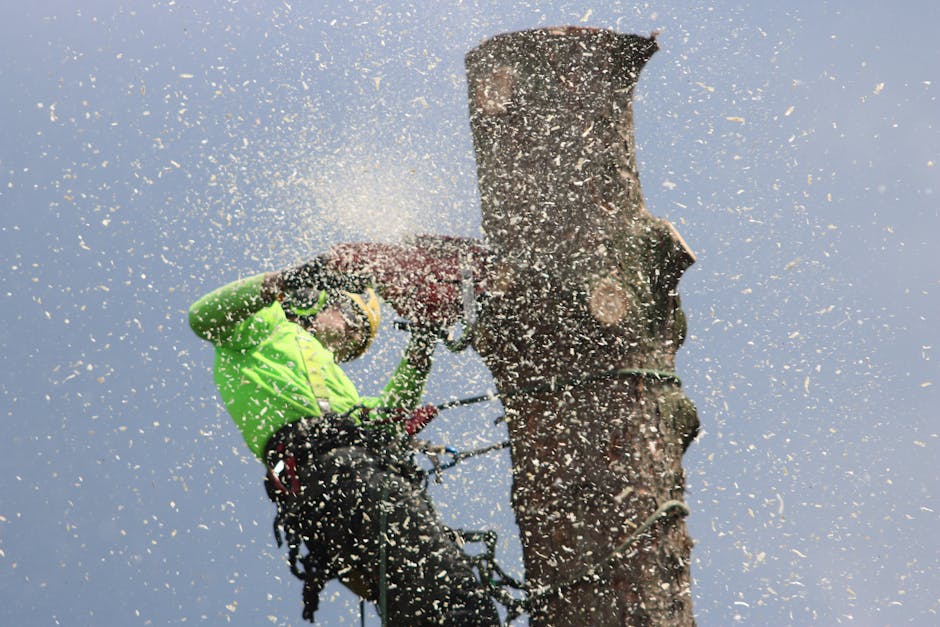
We work from the top of the tree downward, using ropes and rigging to control each section as it comes down. On open lots with no overhead obstructions, we may fell the tree in one or two cuts and process it on the ground. On tight residential lots in Irvington — common given the narrow setbacks and attached housing in the area — we section the tree in pieces 8 to 12 feet at a time, lowering each piece carefully rather than dropping it.
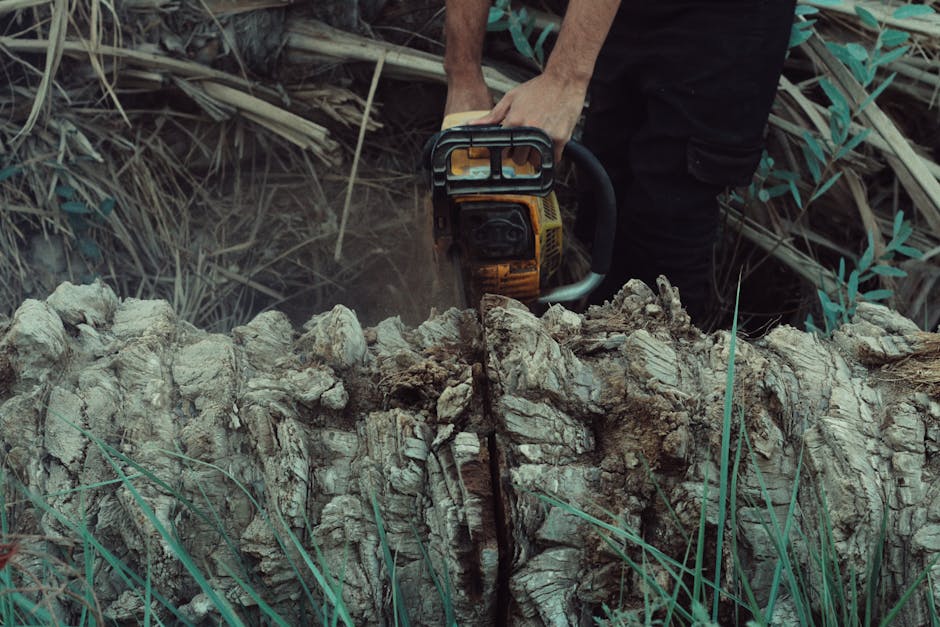
We handle the debris on-site. Limbs and brush are fed through a chipper. Large trunk sections are cut and removed or left as firewood on request. The site is cleared and raked at the end of the job. Stump grinding is quoted separately, though most customers bundle it at the time of removal.
When a Tree Should Come Down
- The tree is dead or has no viable recovery path from disease or pest damage
- There is structural failure or severe decay at the trunk base or root flare
- The tree is leaning measurably toward a house, garage, or power line
- Storm damage has split the main stem or removed more than half the crown
- Roots are damaging a foundation, sewer line, or hardscape beyond repair
- A licensed arborist has determined the risk of failure is unacceptable
When You Don't Need Tree Removal
If a tree is alive and has no major structural defects, it almost certainly does not need to be removed. A tree that is lopsided, growing toward a wall, or has a few dead branches is a candidate for pruning — not removal. A large tree that is simply inconvenient to rake under is not a safety hazard. We will tell you this directly before you spend money on a removal that doesn't need to happen.
What Affects the Cost
Tree height and trunk diameter
The single largest cost driver. A 20-foot ornamental and a 70-foot oak are completely different jobs.
Site access
Narrow gates, tight alleys, and proximity to fencing or neighboring structures all affect how we work and what equipment we can use.
Proximity to power lines or structures
Trees touching or near a house or utility lines require slower, more controlled section work.
Crane access
Some situations — very large trees or no-drop zones — require a crane, which adds significant cost.
Stump grinding
Quoted separately unless bundled. Grinding at the time of removal is almost always cheaper than a return trip.
Service Area
We provide tree services in Irvington, NJ. Call to confirm availability in your area.