What Tree Trimming and Pruning Actually Involves
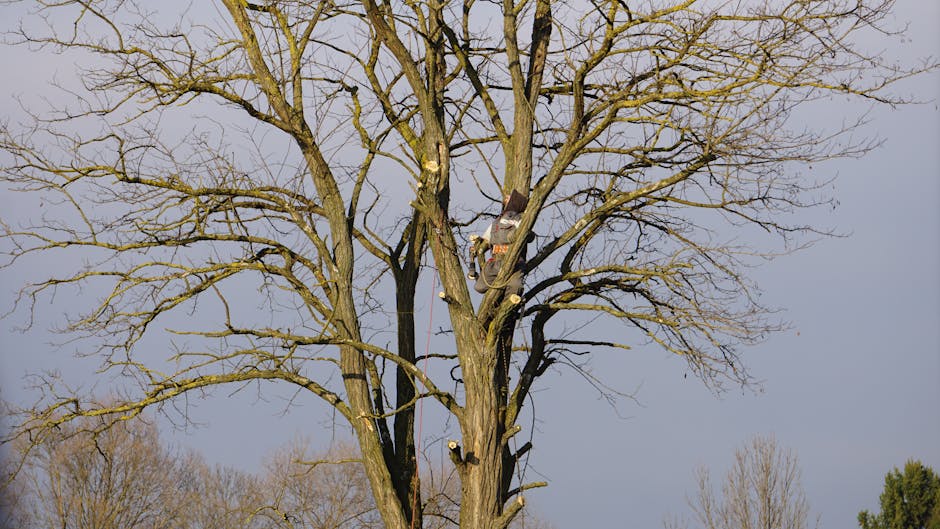
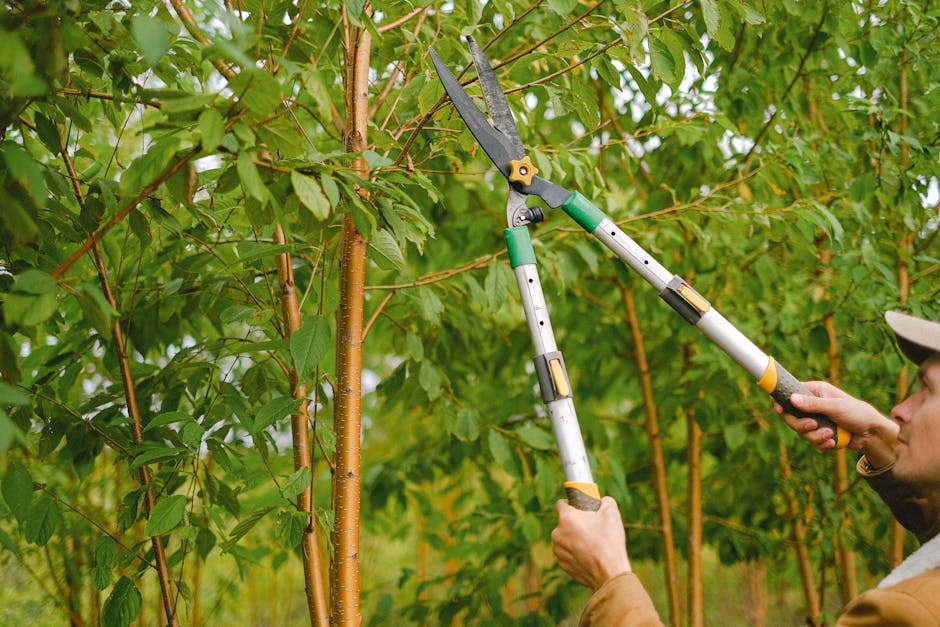
Trimming and pruning are related but not identical. Trimming typically refers to cutting back branches for clearance or to reduce canopy size. Pruning is the more precise practice of removing specific branches — dead wood, co-dominant stems, crossing limbs, and weak attachments — to improve the tree's structure and long-term health.
Both are often done in the same visit. The critical difference from poor-quality tree work is cut placement at the branch collar. Every branch we remove is cut at the branch collar — the swollen tissue where the branch meets the trunk. Cuts made outside the collar heal correctly. Flush cuts made into the trunk create permanent wounds that invite decay. We will not perform topping under any circumstances; it destroys a tree's structure and makes it more dangerous, not less.
When Tree Trimming Makes Sense
- Branches are overhanging your roof, gutters, chimney, or HVAC equipment
- Dead limbs are visible in the canopy — these are fall hazards
- Crossing branches are rubbing through the bark on each other
- The tree hasn't been pruned in more than three years and has significant deadwood
- A major branch has a weak attachment angle and is splitting from the trunk
- The canopy is blocking light from reaching a lawn or garden below
When Your Tree Doesn't Need Trimming
If your tree has no dead wood, no branches touching structures or utilities, and no crossing limbs rubbing through the bark, it may not need trimming this season. Trees on a calendar-based trimming schedule often get unnecessary cuts. Each unnecessary wound is an entry point for disease. We assess what's actually there before recommending any work — and if the tree looks healthy and clear, we will tell you to wait.
What Affects the Cost
Tree height and canopy spread
Taller trees and wider canopies require more time and may need aerial equipment.
Amount of deadwood and problem branches
A tree with extensive deadwood takes longer than one with minimal issues.
Access method
Ground crew with pole saws, climbing, or aerial lift — each has different labor and equipment costs.
Proximity to structures
Branches over a roof or near power lines require slower, more controlled cutting.
Number of trees
Trimming multiple trees on one visit is more efficient and typically less per tree than separate trips.
Service Area
We provide tree services in Irvington, NJ. Call to confirm availability in your area.